r/Boise • u/Herbal_Edge • 12h ago
Discussion BOLO: Death Cap Mushrooms (Amanita phalloides) Spotted Around Boise
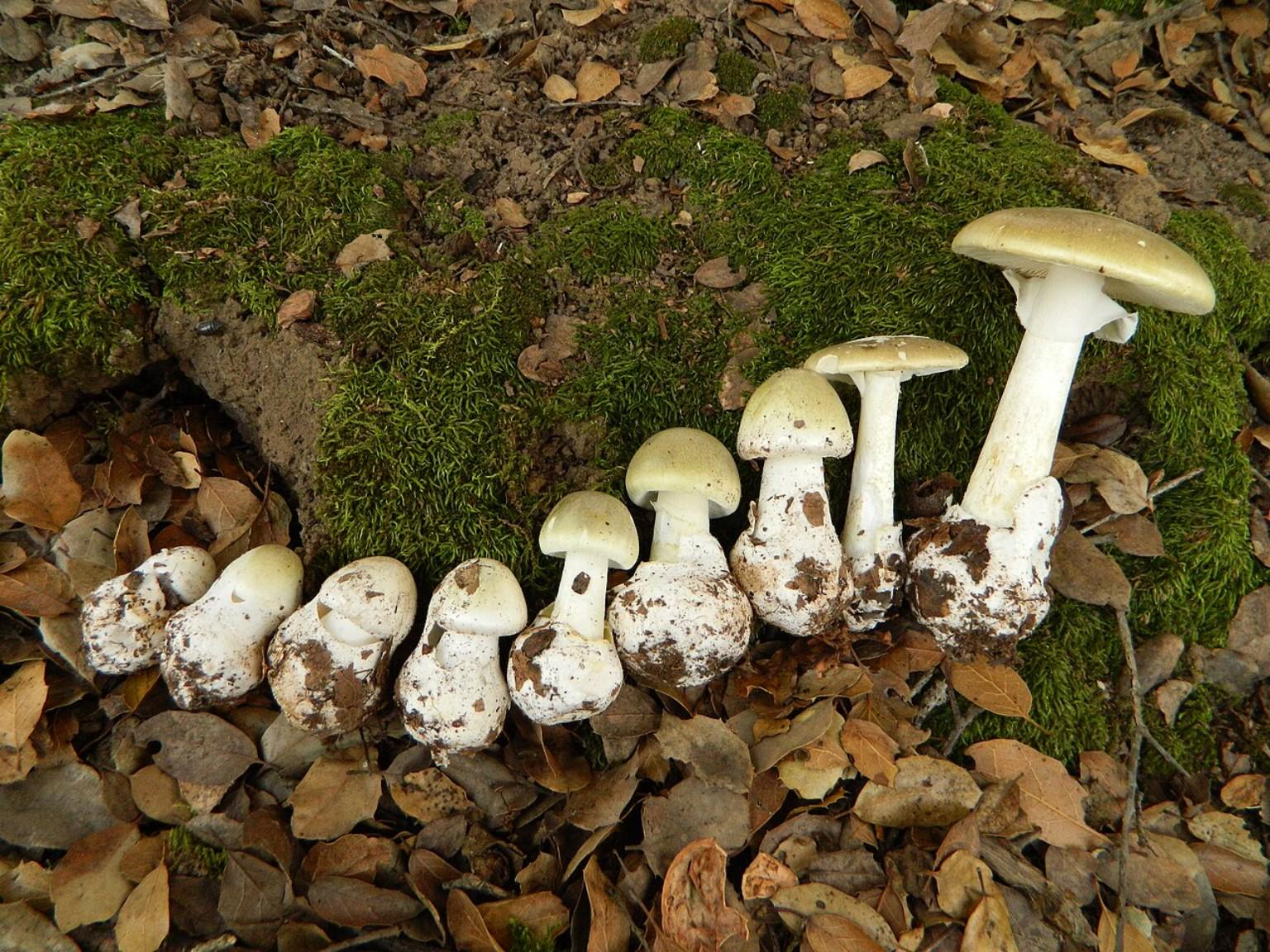
It's that time of year again. Keep an eye out for the infamous Death Cap Mushroom (Amanita phalloides), which has been spotted again this fall around Boise and Garden City, including along the Greenbelt.
I used to run Nugget CBD, and we talked about these guys around this time every year after they were first confirmed in Boise in 2021. If you're not in the habit of eating wild mushrooms, you're probably safe. But they're worth watching out for if you have a dog or small children. Eating even a small amount can be fatal.
What do they look like?
The attached photograph shows death cap mushrooms at various stages of growth. This photo was taken in California, not Idaho.
Death caps generally have pale green, yellowish, or olive-colored caps, white gills, and a cup-like structure at the base of the stem that can be hidden underground. They tend to grow around hardwood trees, particularly oaks, and have been found in residential neighborhoods, and parks around Boise.
Yes, they're really quite deadly.
Death caps produce a toxin called alpha-amanitin which causes catastrophic liver damage and kidney failure... which causes death. Symptoms often don't appear until 6–24 hours after ingestion. People can appear to recover from the initial gastrointestinal symptoms before developing severe organ damage several days later.
That means any suspected ingestion by a pet or child is an emergency, even if they seem fine.
But aren't Amanitas psychedelic?
Amanita phalloides is related to the famous Amanita muscaria, the red-and-white mushroom you see in fairy tales and video games, which also grows here in Idaho. Although they're members of the same genus, they look completely different in their typical forms. It's easier to confuse their names than the mushrooms themselves.
Amanita muscaria doesn't produce the same deadly amatoxins. Instead, it contains ibotenic acid and muscimol, which act on the central nervous system.
Its reputation as a psychedelic mushroom is somewhat exaggerated. It can produce psychoactive effects, but it's not really a classical psychedelic. It is not as dangerous as the Death Cap but it can cause significant gastrointestinal distress, delirium, and serious poisoning.
Because of this, the FDA prohibits its use as an ingredient in conventional foods. They are also incredibly difficult to farm. Consequently, there's a thriving market for products claiming to contain Amanita muscaria that contain little or no actual mushroom extract.
That said, there is a long history of ritual consumption in some cultures, often involving specific preparation practices intended to reduce its toxicity but neither is a mushroom you should experiment with.
Don't be afraid, just be vigilant.
You don't have to be afraid of these mushrooms. They don't bite. Just be aware that you may see some around, and don't let your kids or pets play with them.
If you suspect someone has eaten a death cap, seek emergency medical care immediately and call Poison Control. Seriously, Poison Control can be very helpful if you're trying to decide if you should make a trip to the hospital. For pets, contact an emergency veterinarian.
And if you find any around Boise send me a picture! I would love to have some local photos of this mushroom.
Photo: Justin Pierce, Watsonville, California (2011), via Wikimedia Commons_Link_177883.jpg). Licensed under CC BY-SA 3.0.


