r/nelsonsnavy • u/0pal23 • 21h ago
Ships and Sailing The Hemmema - one of Sweden’s 'archipelago frigates' designed by the father of naval architecture, which never really found it's niche in the age of sail
One of the lesser known ship types of the age of sail, Hemmema were shallow draught frigates designed so that they could be rowed/manoeuvred with sweeps. One of four types of ‘archipelago frigate’ designed by the prolific naval architect Henrik Af Chapman, they were designed in an attempt to bring the firepower, storage and crew protection benefits of a frigate to warfare in the shallow archipelagos of Sweden and Finland, and to outcompete the galleys and Shebecks (modified Xebecs) that were prominent in those areas.
Of the four types of archipelago frigate Chapman designed, the Hemmema most resembled ocean going frigates, and were arguably the best. They sailed well in comparison to galleys and placing the oars on the gun deck got the rowers closer to the water, making the Hemmema slightly more tolerable to row than the sister Turumas. However, like all of the archipelago frigates, they performed badly when rowed and the oars were really only useful for manoeuvring.
The initial design for the Oden (24) had her at 33 m (108.2 ft) long, 8.2 m (26.8 ft) wide with a draft of 2.8 m - 1.5m shallower than a typical ocean going 6th rate. As you probably all know, the size of frigates in general greatly increased between 1770 and 1800, and the archipelago frigates were not immune to this size creep. Hemmemas built for the Russo-Swedish war of 1788-1790 had grown to 146 by 36ft. Diagonal bracing and a 30cm increase in draught allowed these ‘super Archipelago frigates’ to carry an armament of 22 36 pounder guns and 2 12 pounders, making them considerably better armed than any other sixth rate frigates as well as the frigates of the Swedish sea going Navy.
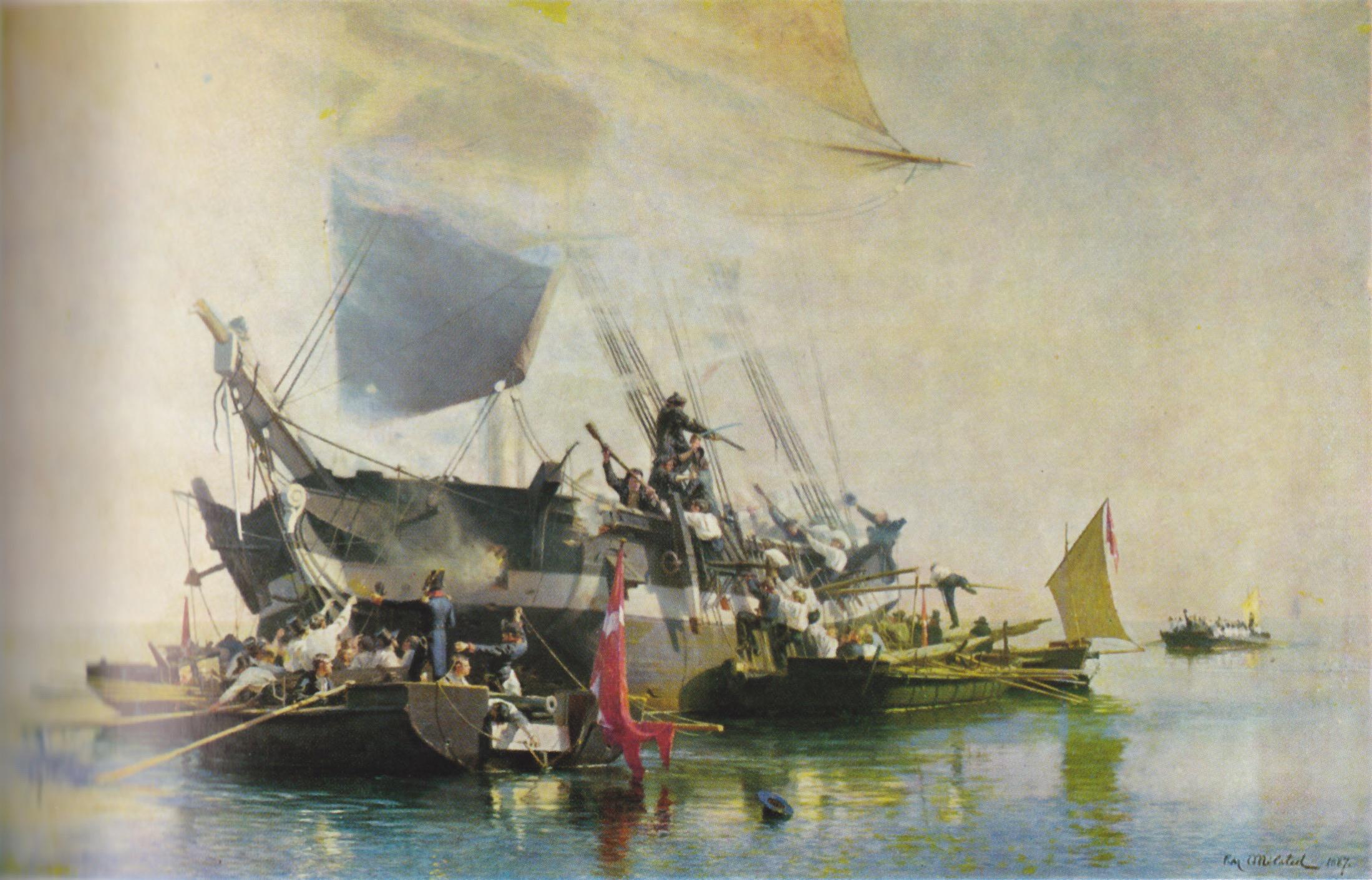
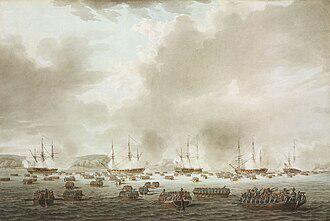
Hemmemas participated in the second battle of Svenskund but it was the smaller gun boats and yawls that won that battle. It's fair to say that the archipelago frigates never really found their niche (if it ever existed in the first place) with no Swedish officer really able to bring them into battle in a decisive way. Most of them ended up captured by the Russians, but they still represent an interesting study in innovative ship design to meet the specific needs of a particular country.