Watching Freedom at Midnight left me with a strange mix of pride, sadness, and anger.
Pride, because of the extraordinary leaders we had during our freedom struggle. Sadness, because of the sacrifices they made to give us the country we live in today. And anger, because when I look at our political leadership today, I cannot help but wonder how we have fallen so far in the quality of our public discourse.
Just think about the people who shaped our nation: Mahatma Gandhi, Jawaharlal Nehru, Sardar Vallabhbhai Patel, Maulana Abul Kalam Azad, and so many others.
They were human beings. They had disagreements, made mistakes, held different ideologies, and sometimes made decisions that we can question even today. They were not perfect, and we should never treat them as gods.
But look at what they gave to this country.
They dedicated their lives to a cause far greater than their personal ambitions. They fought for freedom, took enormous risks, endured imprisonment, and worked through one of the most difficult periods in our history. They inherited a country devastated by Partition, communal violence, poverty, and uncertainty, yet they helped lay the foundations of a democratic republic.
They didn't have the luxury of inheriting a fully developed India. They had to help build one.
And they did it without knowing whether history would remember them kindly or whether future generations would appreciate their sacrifices.
What hurts me most is seeing people who identify as nationalists casually abuse Gandhi and Nehru, often reducing their entire lives to a few controversial decisions or political talking points. Criticising historical figures is perfectly legitimate. Questioning their decisions is necessary. But how can we dismiss their entire contribution without honestly understanding what they fought for, what they sacrificed, and the circumstances in which they made those decisions?
You don't have to agree with Nehru to acknowledge his contribution to building India's democratic institutions. You don't have to agree with Gandhi on everything to recognise the extraordinary moral and political force of his nonviolent struggle. You can debate Patel's decisions while still respecting his role in integrating hundreds of princely states. And you can disagree with Maulana Azad while acknowledging his immense contribution to India's freedom movement and education.
Patriotism should not require us to hate our own history.
And then I look at today's politics, and my heart genuinely aches.
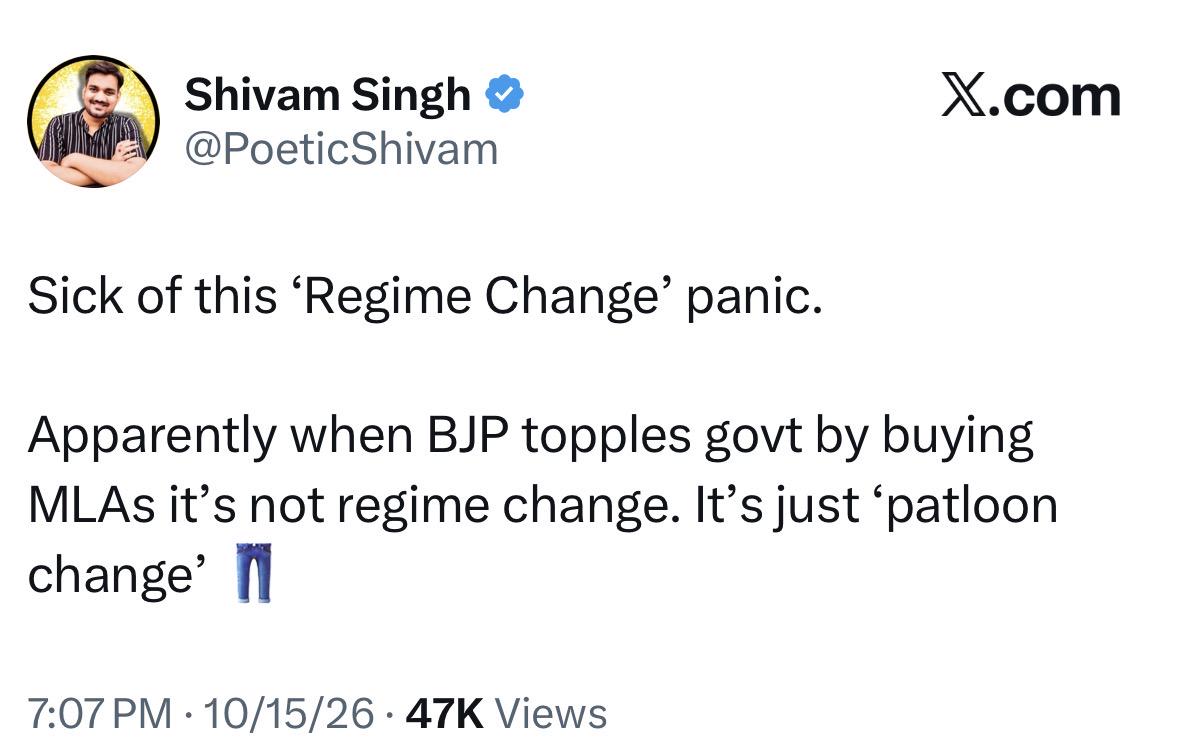
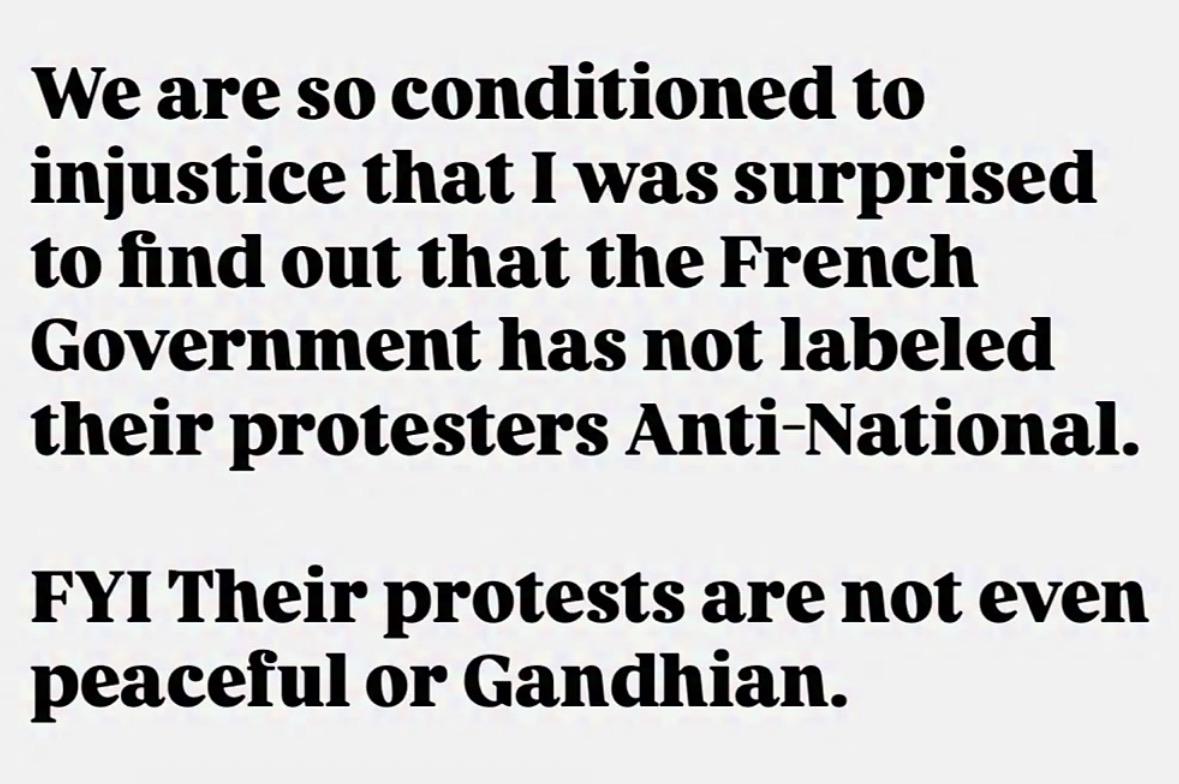
I see a political culture in which religious identity and caste increasingly become tools for mobilisation, where opponents are treated as enemies, where grand promises often seem more important than accountability, and where questioning those in power can get you labelled anti-national.
I see leaders who seem far more interested in controlling the political narrative than in having honest conversations about education, employment, inequality, healthcare, and the future of our young people.
And I find myself asking: Is this really what our freedom fighters imagined for independent India?
I don't believe that today's leaders should be judged by whether they belong to the BJP, Congress, or any other party. They should be judged by their integrity, their competence, their service to the country, and their willingness to be held accountable. No party deserves unconditional loyalty, and no leader should be above criticism.
But when I compare the ideals of the people who fought for our freedom with the politics of division and personality worship that we see today, the contrast is painful.
The BJP and its supporters have every right to criticise Nehru, Gandhi, or any Congress leader. But criticism should come with historical understanding, not selective memory. You cannot claim to love India while refusing to acknowledge the people who helped create the India you inherited.
You don't have to worship Gandhi or Nehru. But at least understand them before hating them.
The India we live in today did not appear out of nowhere. It was shaped by countless people who sacrificed their comfort, their freedom, and sometimes their lives. The leaders of that generation had flaws, but they also had a sense of responsibility toward a nation that was bigger than themselves.
That is what I miss most: the feeling that leadership meant serving something greater than yourself.
I am not saying the past was perfect, nor am I saying every leader today is corrupt or incapable. India has made enormous progress, and many people across political parties work sincerely for the country.
I am saying that we deserve leaders who unite us more than they divide us, who offer more than slogans, who respect institutions, and who understand that governing a country is a responsibility, not a personal entitlement.
After watching Freedom at Midnight, I am left with one question:
How did we go from a generation that fought to unite Indians against colonial rule to a political environment where Indians are so often encouraged to distrust and hate one another?
And perhaps an even more uncomfortable question:
If Gandhi, Nehru, Patel, and Azad could see the India we live in today, what would they be proud of, and what would break their hearts?
I wish we spent less time hating the people who built the foundations of our nation and more time understanding what they stood for.
Because loving India should mean caring about what it becomes, not blindly defending whoever happens to be in power.
Jai Hind.